Europe
RefluxStop™ is CE marked in Europe. It is currently available in:
- Germany
- United Kingdom
- Switzerland
- Spain
- Italy
- France
- Austria
- Sweden
- Norway
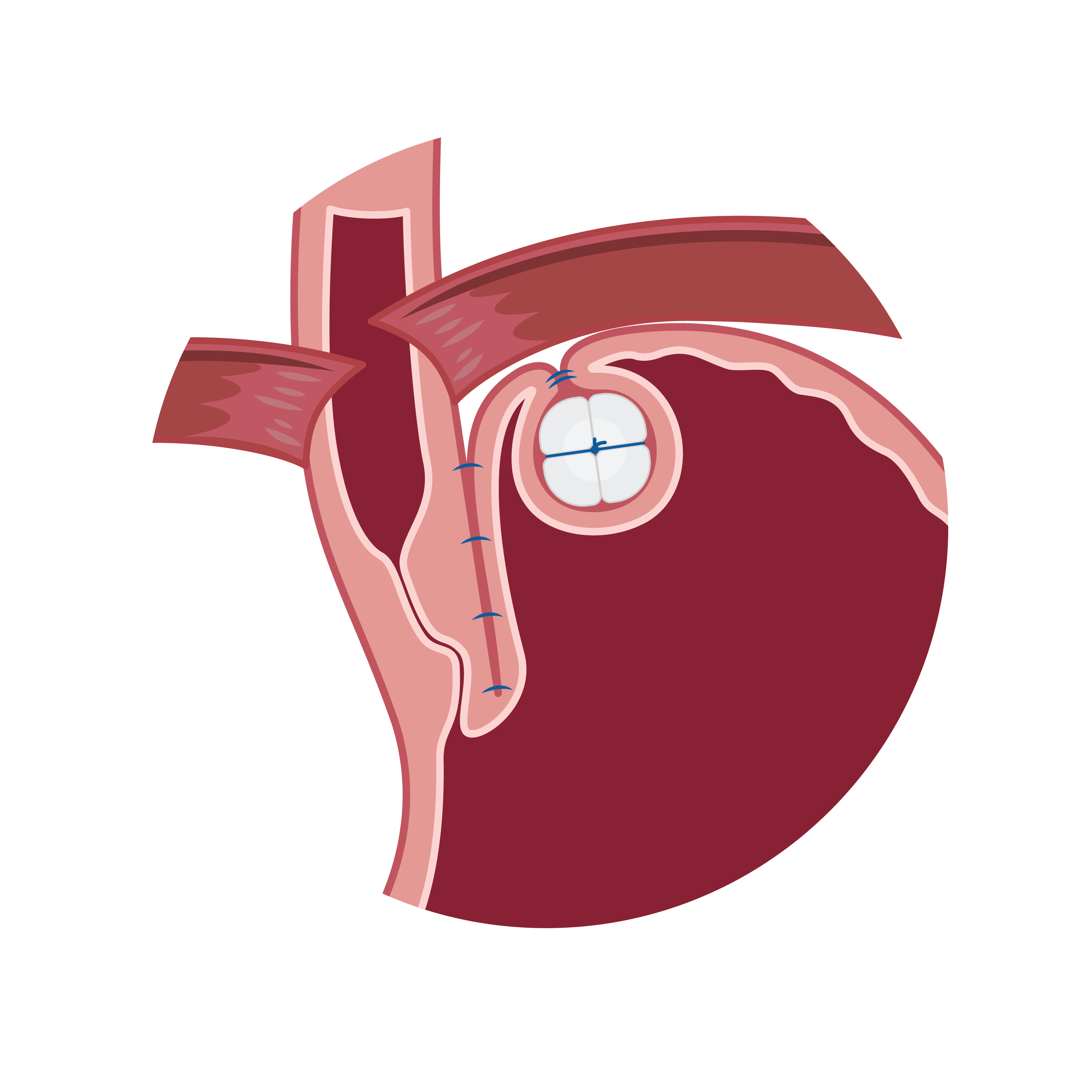
The RefluxStop® procedure restores the Lower Esophageal Sphincter (LES) and maintains it in the correct position, allowing the Acid-Reflux Barrier (ARB)1 to function normally by preventing stomach contents from coming back up into the esophagus.

RefluxStop® does not encircle the food passageway therefore unpleasant side effects associated with the standard of care are kept to a minimum.
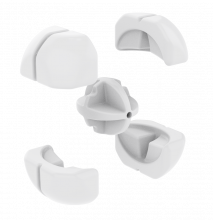
RefluxStop® is a medical device intended for patients 18 years and older. It was developed to treat acid and non-acid reflux in patients diagnosed with gastroesophageal reflux disease (GERD).
The sphere shaped device is made of medical grade silicone and is 24.5 mm in diameter, about the same size as a quarter.
The RefluxStop® procedure restores the Lower Esophageal Sphincter (LES) and maintains it in the correct position, allowing the Acid-Reflux Barrier (ARB)1 to function normally by preventing stomach contents from coming back up into the esophagus.

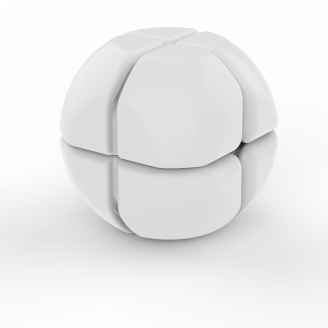
RefluxStop® treats acid reflux without affecting the food passageway, an innovative method that will possibly create a paradigm shift in acid reflux treatment. This ingenious device is a non-active implant and is placed on the upper part of the stomach through laparoscopic (key hole) surgery. CE mark approval was granted August 8, 2018, on the strength of a multi-center clinical investigation in which the safety, effectiveness, and performance of the device in patients was demonstrated. It obtained FDA approval August 20, 2026.
RefluxStop® restores the body’s natural anatomy and physiology, treating acid reflux without encircling the food passageway.
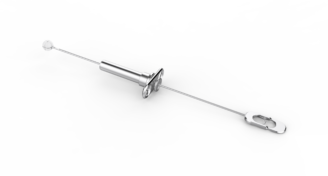
Acid reflux is the second largest treatment field in the world, with over 1 billion sufferers globally1. RefluxStop® treats the symptoms of acid reflux by eliminating the regurgitation of stomach fluid.
Acid reflux sufferers consumed drugs for USD 24 billion in 20102. We expect that the surgical treatment addressable market to grow substantially to reach a couple of million operations yearly3, and the clinical trial results support that RefluxStop® has the potential to completely change the treatment of acid reflux.
We expect the addressable market to reach 2.4 million operations yearly3.
The device works with a proven concept to prevent the closing sphincter from gliding up into the thorax through the opening in the diaphragm breathing muscle. When this happens, the sphincter muscle enters the chest, and while breathing, it does not have enough power to close.
As per the design thesis’ double mechanism, RefluxStop® device is intended to treat acid reflux without affecting the food passageway, including hindering the LES from entering the thorax.
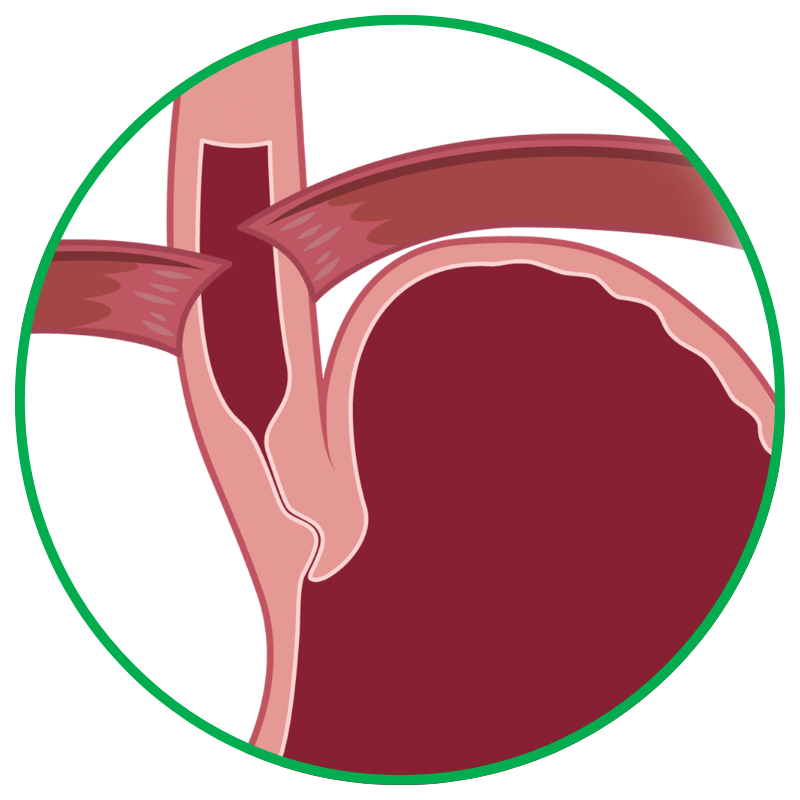
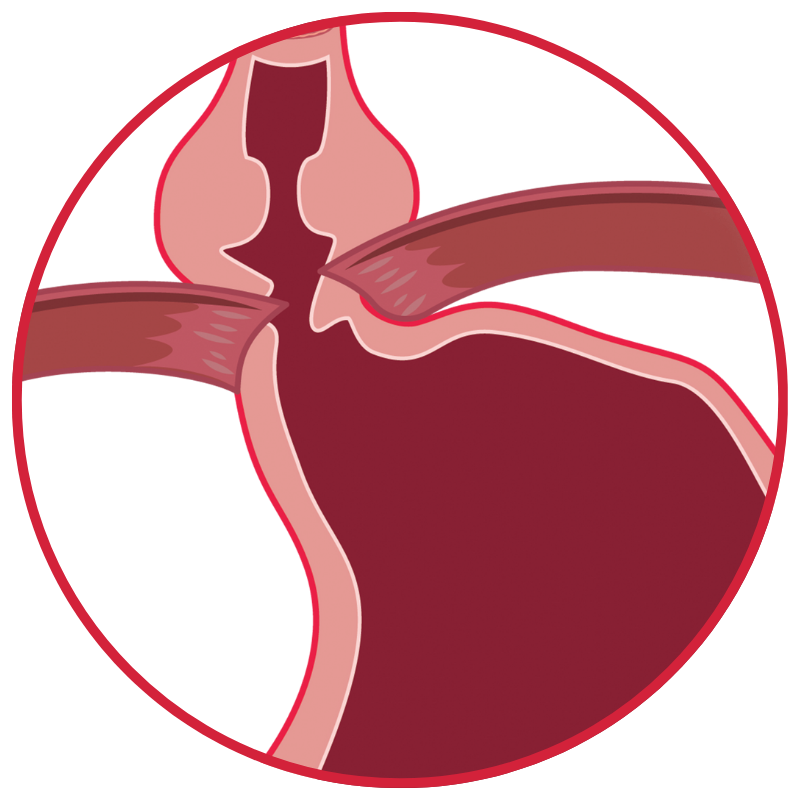
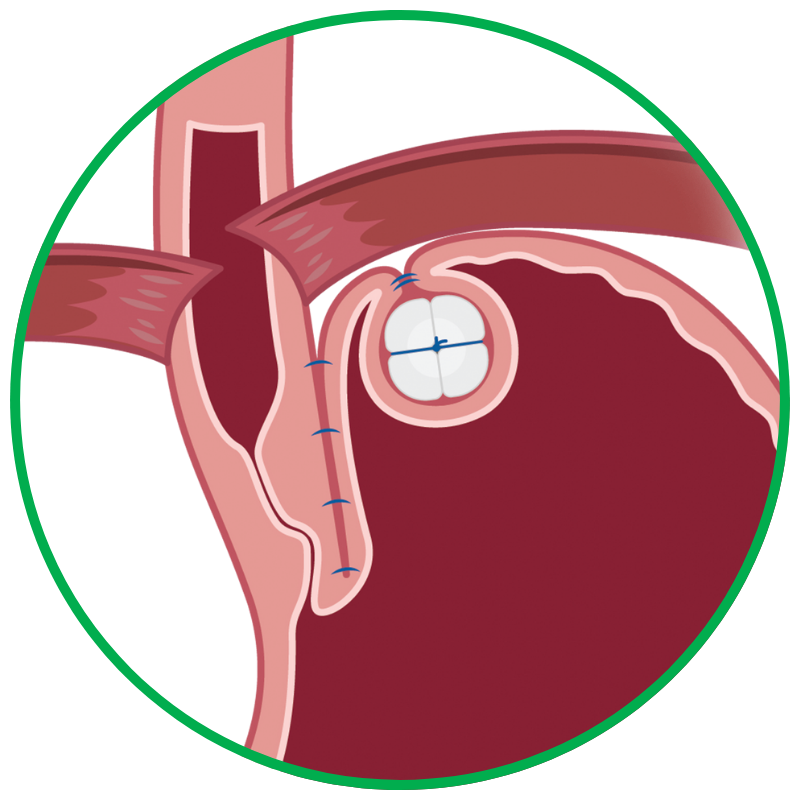
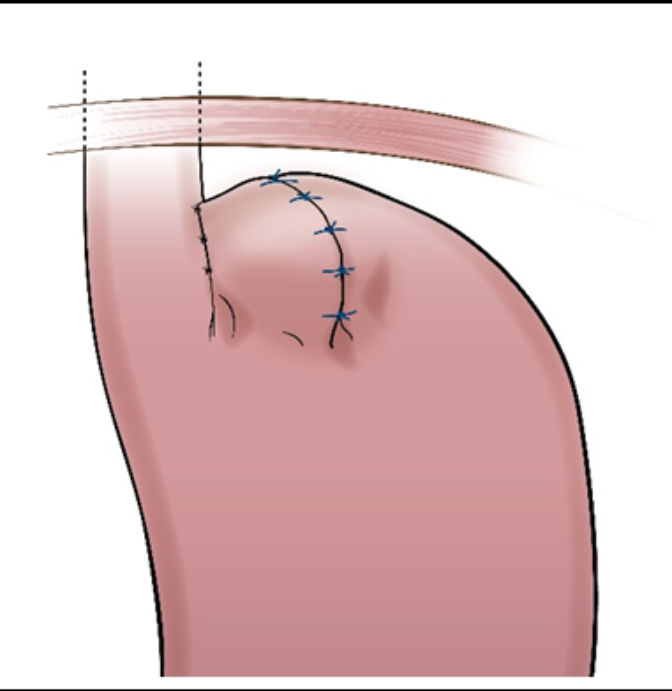
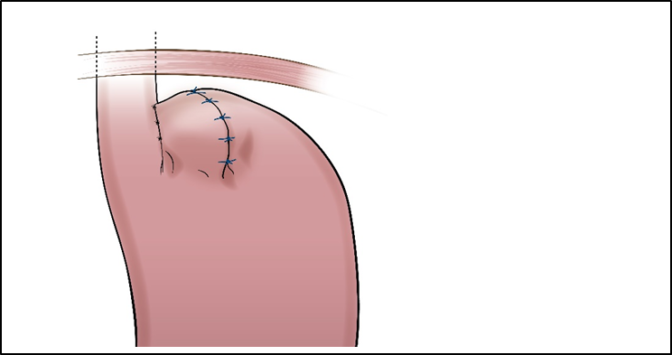
RefluxStop® surgical procedure named the Forsell procedure after the inventor involves a reconstruction of the angle of His, a small left side adherence of the stomach to the esophagus, in broader terms also a fundoplication. RefluxStop® device is invaginated in the fundus wall and thus reinforces the created cuff.
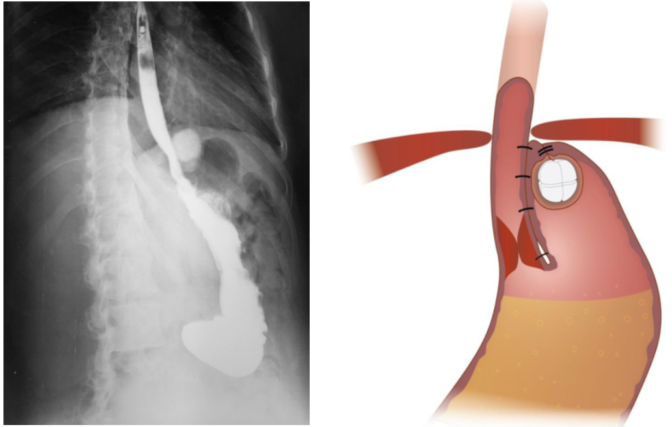

With RefluxStop® device enclosed in the fundoplication cuff it becomes thicker/deeper, allowing the cuff to be created with less circumferential distribution, thereby reducing side effects related to the food passageway and at the same time treating GERD more efficiently.
Placing RefluxStop® at fundus
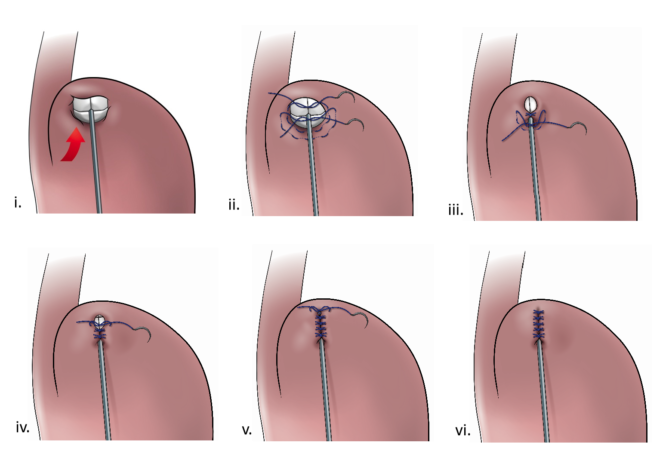
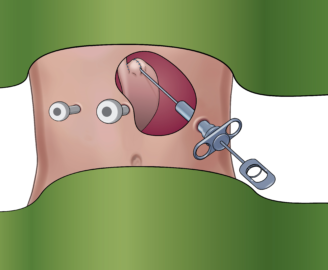
Removal of tool
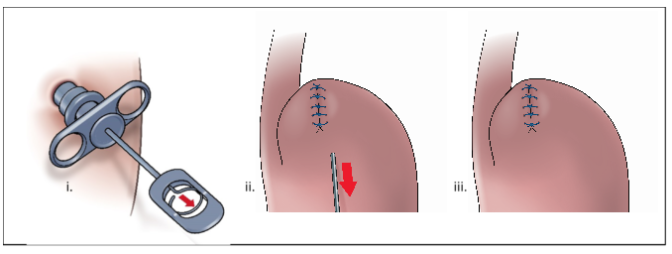
Finalized procedure
Clinical data on the RefluxStop® procedure includes but is not limited to a study of 50 patients* that have been followed for at least 5 years.
As RefluxStop® was available in Europe first, many independent studies representing real world patient data are available. 1,500+ RefluxStop® surgeries have been performed. Numerous articles (33) have been published on the investigator-initiated studies from various hospitals in Europe. A pan-European registry is also in effect.
The pivotal study of 50 patients has been followed for 5 years with key results summarized below.
From RefluxStop® implantation until the 5-year follow-up visit:
pH Testing (for Acid in the lower Esophagus)
Figure 1. 24-hour pH Monitoring Comparing Baseline, 6-month, and 5-year Values

NOTE: The central line within the box indicates the median score, while the diamond symbol represents the mean score. The boundaries of the box correspond to the 25th (bottom) and 75th (top) percentiles, and the whiskers extend to the range of non-outlier values. Circles beyond the whiskers denote outlier values.
Figure 2. 24-hour pH Monitoring Comparing Individual’s Acid Exposure at Baseline and 5-year Values

NOTE: Each dashed line represents an individual subject’s acid exposure at baseline and Year 5.
Quality of life score
Figure 3. Quality of life questionnaire score improved by 90%

NOTE: Fig. 3 Quality of life score improved from median 29.5 before surgery to 3.0 at 5 years follow-up – a 90% improvement
Acid reflux creates precancerous changes in the lower esophagus, called Barrett’s esophagus, by iterative damage caused by stomach fluid found in 10-15% of acid reflux patients4. For daily sufferers the incidence is even higher probably at 20%5. The most common treatment method, drug therapy, does not prevent acid reflux but only reduces the acidity in the regurgitating stomach fluid, and the majority of patients continue to experience heartburn now and then. 59% of drug users continue to intermittently have acid reflux6 and only 1 out of 9 become completely symptom free.6
The current standard of care surgical treatments of acid reflux often lead to complications, such as swallowing problems, because they encircle the food passageway. RefluxStop® has a unique mechanism of action and does not encircle the food passageway thereby reducing complications, as supported by the clinical investigation.
The stages of progression of untreated GERD:

Disclaimer: There is no clinical data showing that RefluxStop® can lower a patient’s risk of developing cancer.
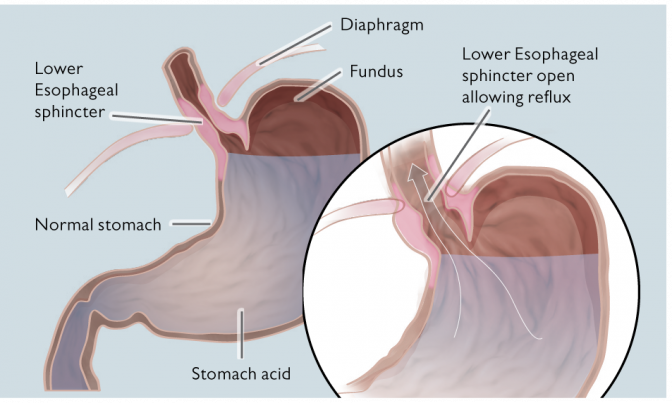
Acid reflux or gastroesophageal reflux disease (GERD) is the term describing a condition in which liquid, acid content of the stomach, regurgitates (or refluxes) up to the esophagus, the tube connecting the stomach with the throat. The condition is common and almost everyone experiences this from time to time. Acid reflux affects people of all ages and backgrounds. The condition turns into the chronic disease gastroesophageal reflux disease, commonly referred to as GERD, when the frequency of acid reflux is abnormal.
GERD is one of the most highly prevalent diseases in the world with 31% of people suffering on a weekly basis9 and around 400 million with daily problems10. GERD has a considerable financial impact on society11.
The most common symptom of GERD is heartburn, a burning pain from behind the sternum, the breastbone. Other symptoms in more advanced cases are chest pain, difficulty swallowing, pain when swallowing, coughing, wheezing and/or vomiting. Sleeping disorder often becomes part of these patients’ everyday life as lying down increases the risk of acids entering the esophagus. For all GERD patients, their quality of life is severely affected.
The most common way to treat GERD is through pharmaceutical treatment. Proton pump inhibitors, PPI drugs, are proven to be the most efficient non-surgical treatment for GERD, even though they only treat the symptoms and not the cause – reflux with lower acidity is still present. Also 59% of the drug users experience heartburn now and then.12
Since the 1950’s the standard surgical treatment of GERD has been the fundoplication procedure, even though side effects are common. This procedure is when the top part of the stomach is wrapped around the ring muscle closing between the stomach and esophagus, the lower esophageal sphincter (LES). Other surgeries, radiofrequency treatment, or several different endoscopic procedures have proven less effective and are not used much.
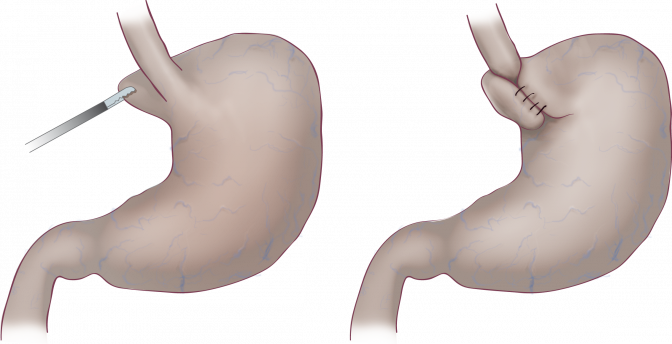
All of the fundoplication methods have one major drawback – they all compress the food passageway – thereby causing swallowing problems and the inability to belch and vomit. Implantica’s new device treats acid reflux without affecting the food passageway at all. The complications of existing surgical treatments are so frequent that only around 100’00014 operations are performed in the US and Europe p.a. – although the need easily could be seen as a multiple of tenfold.
The substantial size of this treatment field can be concluded from the annual drug consumption of USD 24 billion in 2010.15 Yet only 1 out of 9 drug consumers become completely symptom free, thus there is a large need for a complication-free surgical procedure.
RefluxStop® is an implantable sterile medical device intended to treat acid and non-acid reflux in patients diagnosed with gastroesophageal reflux disease (GERD). The device ensures maintenance of a normal physiological situation for the gastroesophageal junction (GEJ) in a defined intra-abdominal position, allowing a natural physiological function of the lower esophageal sphincter (LES), thereby reducing or eliminating acid and non-acid reflux.
The RefluxStop® Deployment Tool is indicated for patients diagnosed with Gastroesophageal Reflux Disease (GERD), defined by abnormal impedance pH and/or pH testing, and indicated for RefluxStop® implantation.
Contraindications:
Warnings and Precautions:
Severe retching, heaving, or vomiting immediately post-op could result in surgical failure causing a possible re-herniation. Care should be taken to discuss this matter with the anesthesiologist beforehand to take necessary precautions and medications preventing post-op retching.
The safety and effectiveness of the RefluxStop® System have not been evaluated in a prospective study in the following patient populations or conditions.